John Legend Made Slides? What Famous Alums Learned In Consulting

The alumni of top consulting firms are part of all types of organizations around the world. Consulting firms like McKinsey, Bain, and BCG can claim world leaders, public company CEOs, heads of non-profits, entrepreneurs, and even musicians.
These firms produce many impressive alumni because they tend to recruit and attract some of the most driven young people around the world, the work is oriented towards helping senior leaders of top companies, and there is an expectation that most people who work at these firms will not spend their entire careers at them. When you work at a place like McKinsey, BCG, or Bain you are always publicly sharing what you might want to do after leaving the firms.
BCG
McKinsey
McKinsey
McKinsey
McKinsey
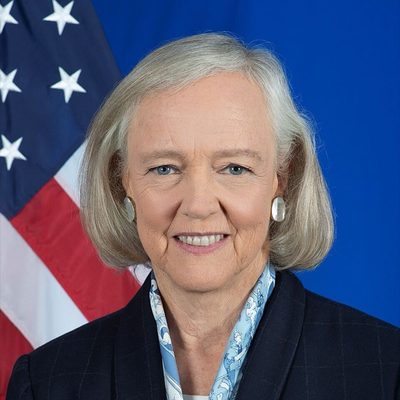
Bain
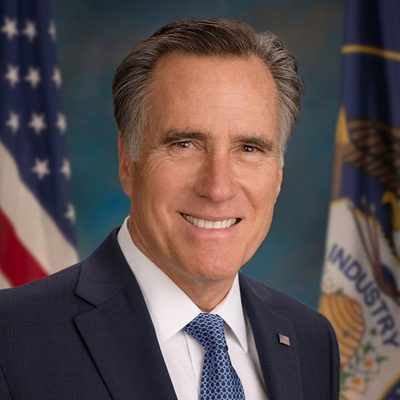
BCG and Bain
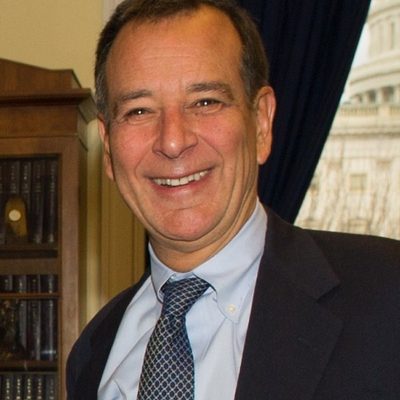
BCG
Famous and infamous alumni
It’s a bit shocking when you start to realize how many famous and notable people seem to have spent some time at top consulting firms. Here is a short list of some of the most notable, as well as some of the more notorious.
McKinsey & Company
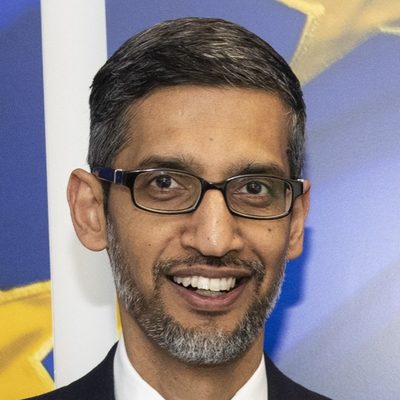
- Sundar Pichai, CEO of Google and Alphabet
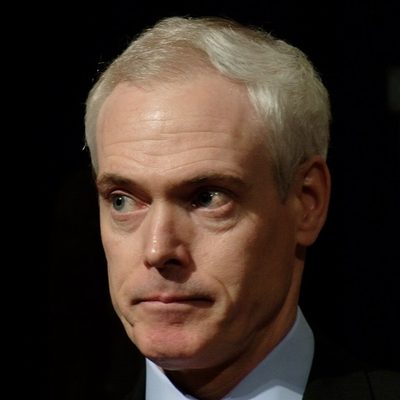
- Jim Collins, author of Good to Great
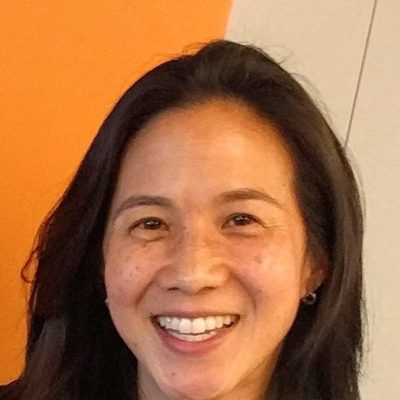
- Angela Duckworth, psychologist and author of Grit
- Tom Peters, co-author of In Search of Excellence
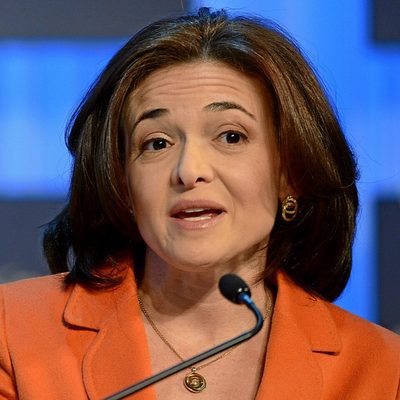
- Sheryl Sandberg, former COO of Facebook and Meta
- Jason Wright, former president of the Washington Commanders
- Chelsea Clinton, Clinton Foundation
- David Sacks, entrepreneur and investor
- James McNerney, former CEO of Boeing
- James Gorman, former CEO of Morgan Stanley
- Yul Kwon, winner of Survivor: Cook Islands
- Kewsong Lee, former CEO of the Carlyle Group
- Pete Buttigieg, former U.S. Secretary of Transportation
- Sarah Friar, former CEO of Nextdoor and CFO of Square
Bain & Company
- Meg Whitman, former CEO of eBay and HP
- Mitt Romney, former U.S. senator and governor of Massachusetts
- John Donahoe, former CEO of eBay and Nike
- Kenneth Chenault, former CEO of American Express
- Susan Wojcicki, former CEO of YouTube
- Scott Cook, co-founder of Intuit
- Michael Murphy, Olympic diver
- Peter Fenton, general partner at Benchmark
- Zach Perret, co-founder and CEO of Plaid
Boston Consulting Group
- Mitt Romney, before he moved to Bain
- Benjamin Netanyahu, Israeli prime minister
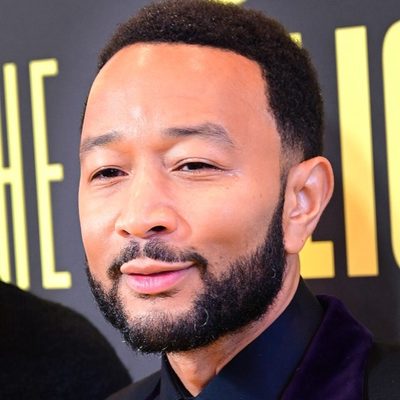
- John Legend, musician
- Indra Nooyi, former CEO of PepsiCo
- Jim Koch, co-founder of the Boston Beer Company
- Bill Bain, who left BCG to found Bain & Company
- Steve Hafner, co-founder of Kayak
- Jeff Jordan, former CEO of OpenTable
Infamous alumni
- Rajat Gupta, convicted of insider trading (McKinsey)
- Jeffrey Skilling, convicted in the Enron scandal (McKinsey)
What some of these famous people learned in consulting
Many leaders of companies, governments, and other institutions started their careers in consulting but have not spoken extensively about what it taught them. Here is what some of them have said.
John Legend (BCG)
Many people don’t realize that John Legend graduated from the University of Pennsylvania and spent the first years of his career at Boston Consulting Group. Asked by CNBC’s John Harwood whether it was a valuable experience, he said it helped him as he entered the music world:
I learned a lot. I met a lot of great people, I’m still friends with a lot of those folks, too. I think it just ups your level of expectation for the kind of business you want to work with. And how you work in teams, how you come to good decisions as a team, and I think all of those things helped me in my career, as a musician.
Indra Nooyi (BCG)
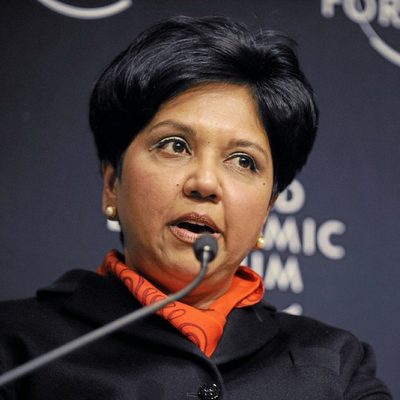
Indra Nooyi ran PepsiCo as CEO from 2006 to 2018. She gives credit to her time in consulting for being able to become a CEO:
I don’t think I could have gotten here without a strategy consultant background because it taught me inductive thinking. It taught me how to think of the problem in micro terms but also to zoom out and put the problem in the context of its broader environment and then zoom back in to solve the problem.
Benjamin Netanyahu (BCG)

After he graduated from MIT, Benjamin Netanyahu worked as a consultant at BCG, where one of his colleagues was Mitt Romney. When the New York Times wrote about the two in 2012, Netanyahu attributed their “easy communication” to what he called “B.C.G.’s intellectually rigorous boot camp.”
He only spent about a year there, but in a 2018 interview with Mark Levin he described what he took from working near the firm’s founder, Bruce Henderson:
I thought that year that I spent there, in the presence of the founder of the Boston Consulting Group, who was a real genius. He was a very eccentric genius. His name was Bruce Henderson, and I remember that I came in on the first day, never been to a business thing.
I spent five years in the Army. I was an officer. I was a soldier and a commander in the Special Forces Unit. Went to MIT, finished my undergraduate, finished my graduate studies. Got into this consulting firm, and the first day Bruce Henderson is this, you know, very imposing figure. He must have been in his early 70s, a Virginian, he tells me, “Come inside, shut the door. Sit down.”
And he says, “You know, you’re not going to be here very long, because you’ll go back to your country. So, study everything can you here because one day it will help the State of Israel.”
And I thought, “This guy is bonkers. What is he talking about?” You know, I’m 27 years old, and he tells me to pick up what I can because it will help the State of Israel. He was absolutely right because I learned something about how economies grow. They grow with the firms. The firms make the economy. You have to make it profitable for the firms to grow the economy.
Kenneth Chenault (Bain)
Kenneth Chenault practiced law for two and a half years before joining Bain, then left for American Express, where he later became CEO. Reid Hoffman asked him in a Greylock interview what he learned at Bain:
It was like drinking from a water hose for me. In the beginning, because they hired one other lawyer and two medical doctors, we were handed accounting textbooks, which we studied at night, and it was trial by fire. I initially tried to interview clients and then tried to frame what the issues were that they were dealing with.
John Donahoe (Bain)
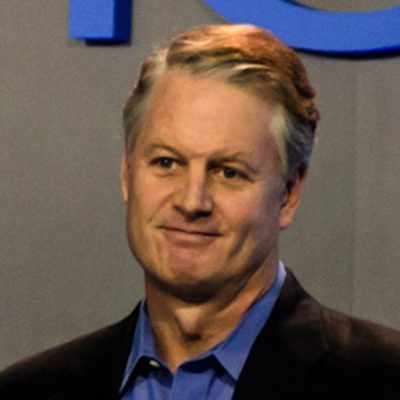
John Donahoe joined Bain with seven other young consultants, and for several years the group met once a month for breakfast to share successes and failures. He later became Bain’s CEO and then ran eBay and Nike. Talking to Stanford GSB students in 2016, he said of that breakfast group:
That community was an investment in ourselves. If you want to be world-class, you have to invest in yourself.
When he and his wife had two young children and he was traveling constantly, he considered quitting. His boss found him a Bay Area client so he could drop his kids at school each morning. “That was the most productive year of my career,” Donahoe said.
Zach Perret (Bain)
Zach Perret co-founded the fintech company Plaid after working at Bain. On the Lattice podcast in 2020, he gave one of the more mixed verdicts:
Uh, I worked at Bain and Company where I learned a lot. And I think that I owe a huge amount to the firm for, for teaching me so much. However, I did not like the job whatsoever. Consulting, uh, is a fascinating field in which you get to learn a lot about businesses except you don’t get to operate them.
Jason Wright (McKinsey)
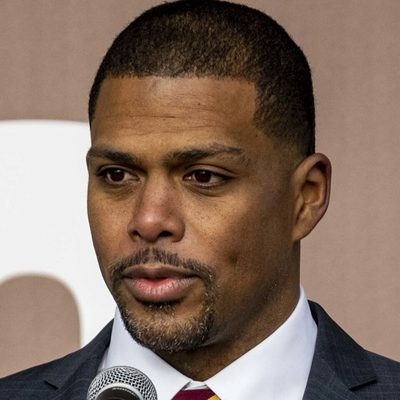
Jason Wright might have one of the most interesting backgrounds on these lists. He played in the NFL, went to business school, and became a consultant at McKinsey before Washington’s NFL team, now the Commanders, made him its president in 2020. Asked by Front Office Sports what he could take from McKinsey into the job, he said:
There’s obviously some very tactical things that will apply in helping various different organizations. Our team will be navigating, from an operational and strategic standpoint, and operating in the context of COVID-19. Every business in the world has been grappling with this and therefore, as an advisor to those businesses, I’ve helped them think through that. I can bring over the stuff that I talked about on changing organizational culture — those will come over. My familiarity with boosting financial performance? That will come over. There’s a lot of things that will come over. There’s a lot of things I’ll need to learn too. It’s not like I spend a lot of time advising on suite sales. When I was at McKinsey, there’s a lot to learn about relationships with sponsors and vendors and all of that stuff in the context of professional sports.
Peter Attia (McKinsey)
Peter Attia is a physician known for his work on longevity. He told Pacific Standard that McKinsey alumni fall into three groups, and that he loved his time at the firm:
The McKinsey alums I talk to fall into three categories. Some alums say it was a horrible experience. I don’t think there are too many of those. I think there are a lot of people in the middle bucket who didn’t like it too much when they were there but are really glad they did it. I think there are people like me who are glad they did it and enjoyed every moment of it. I would say it was the professional highlight of my life. Certainly, it was the most amazing experience I’ve been a part of in terms of there being clarity about it being a meritocracy and a great system of values. For me, above all else, it was the most amazing mentorship experience you could have outside of a traditional apprenticeship.
Bill Ready (McKinsey)
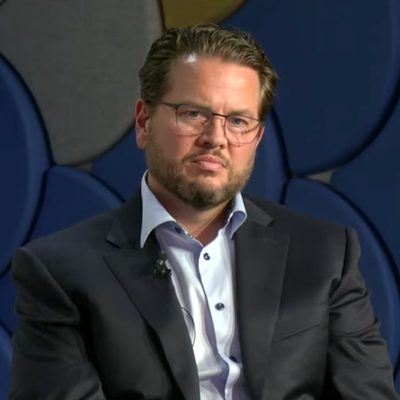
Bill Ready, now CEO of Pinterest, had done two startups before McKinsey and went to its Chicago office after business school because he still felt he didn’t know enough to run a business. In a 2025 McKinsey alumni interview, he said:
Very few people get to see a broad enough sample set of how different businesses work. Some of the biggest unlocks come when you have an analog in an adjacent space and say, “What if I took the way this thing works in that industry and applied it over here?” McKinsey was where I really learned to do that.
He also named “the idea of the obligation to dissent” as one of the most powerful things he took from the firm.
Jane Fraser (McKinsey)
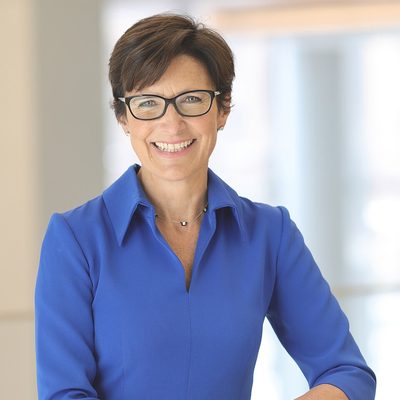
Jane Fraser, now CEO of Citi, went part-time as a McKinsey partner for five years after her son was born. Asked on Stanford GSB’s View From The Top whether the firm had been supportive, she said:
Yeah, it was pretty supportive. I still think they got their value for money. I would say on a 60% program, they were getting 70, 80%, but still these are the ones where you have the courage that at certain points in your career you will have other priorities.
Angela Duckworth (McKinsey)
Angela Duckworth left McKinsey to teach seventh-grade math in New York before becoming the psychologist behind Grit. She described the switch on the 3 Takeaways podcast:
I was a management consultant for such a brief time that I hardly feel justified in saying that. But I will say that the contrast, the day I left McKinsey and the shiny glass skyscraper where you could order in sushi on the client’s dime at will, and then going to the Lower East Side in New York City and teaching in the public schools, … it was a pretty stark contrast.
Laszlo Bock (McKinsey)
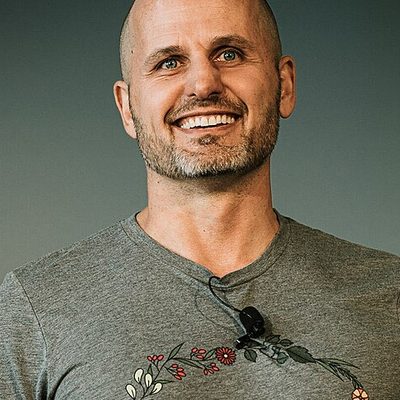
Laszlo Bock ran people operations at Google and wrote Work Rules! about what the company learned. He told Investor’s Business Daily why he went to McKinsey after business school:
“Consulting was like finishing school for MBAs,” Bock said in a telephone interview with IBD. “I felt I had a lot to learn. The courses I enjoyed the most (at Yale) were statistics and operations management. And McKinsey promised to move you around so you get to learn a lot of different things. It seemed like a great place to keep learning.”
Kewsong Lee (McKinsey)
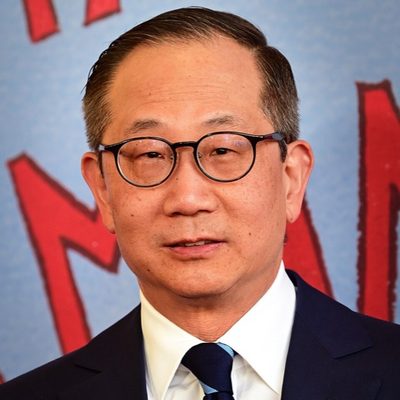
Kewsong Lee spent four years at McKinsey and later ran the private equity firm Carlyle. In a conversation with McKinsey alumni while he was CEO, he said:
I owe a lot to my experience at McKinsey, because I think it was quite formative. In my business, you can’t underestimate how important it is to have a clear-thinking perspective to truly understand the very essence of a problem. Then there’s also the whole notion of being a catalyst for change and understanding what needs to happen in an organization to drive change. These were skills that I started to pick up at McKinsey. I’m trying to push Carlyle to have more lateral thinking, horizontal connectivity, and I imagine a management structure that is lateral as opposed to vertical in terms of execution. All of these ideas were really put into my brain in the four years I was at McKinsey.
Amit Walia (McKinsey)
Amit Walia spent nearly five years at McKinsey before becoming CEO of the software company Informatica. He told Fortune in 2026:
You really get pushed into difficult situations [at McKinsey]…You have to always have a clear bent of mind to be very analytical, to really distill out the problem to its core. It’s a skill you learn, and that’s the hardest thing in a big job.
On the feedback culture, he added, “I always say, ‘Feedback is a gift.’ It’s not to tell you what you’re not doing right, it should tell you what you could do better.”
Pete Buttigieg (McKinsey)
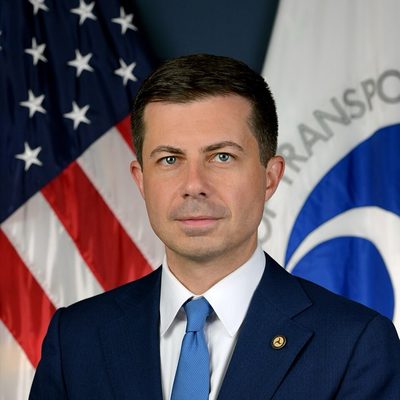
Pete Buttigieg was mayor of South Bend, Indiana, ran for president in 2020, and served as U.S. Secretary of Transportation. His time as a McKinsey consultant drew criticism during the campaign. Writing in Fast Company in 2013 about how South Bend used sensor data to manage its sewers, he credited the firm:
As a consultant at McKinsey, I learned the value of data and the ability to shape that information into an answer.
Many left to make decisions instead of advising on them
A lot of alumni describe leaving the same way: they wanted to run things, not recommend them. Tom Peters, who worked in McKinsey’s San Francisco office before co-writing In Search of Excellence, told me on my podcast how the project started:
I went to work for McKinsey and the managing director called. I was in San Francisco, called me to New York. And he said, I’ve got a project that you want. And this really fits what you were talking about. He said, we design the best strategies awesome strategies, clever strategies for our clients, and then they can’t implement them. And what I want you to do, Tom, is to head up a project where we look at people who get— actually get things done.
The research made him famous and put him at odds with the firm. When I asked how he knew to bet on himself and buy half the book’s royalties, he said:
Well, I would love to give you some wonderful convoluted answer about my genius, but way beyond, I was acting like a renegade. I was acting like not McKinsey, and eventually, and I’m on their side. They had to say, you gotta go somewhere else.
Sarah Friar, who went from McKinsey to Goldman Sachs, Salesforce, Square, and Nextdoor, described the same frustration from the inside on Bessemer’s Wish I Knew podcast:
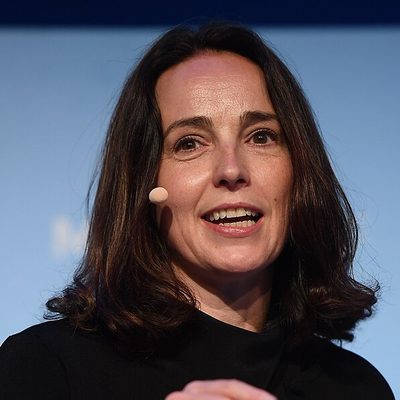
I think I was always a bit of a frustrated operator, even as a consultant. The thing I hated most at McKinsey was the last day of the client engagement where we handed over these beautiful pieces of stone, your strategy, and then you’re like, oh my God, this sinking pit in your stomach. They’re never going to actually implement it. And I realized I actually really enjoyed a lot more of the implementation.
James Gorman rose to senior partner at McKinsey before leaving for Wall Street, where he eventually ran Morgan Stanley. On Norges Bank’s In Good Company podcast, he called leaving the second most pivotal decision of his career:
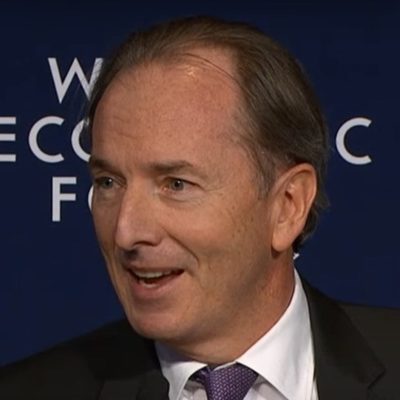
But again, in my heart, while I really enjoyed my consulting time and I had many wonderful colleagues there, and I think we did some great work, for some clients for sure, I ultimately wanted to be where the decisions were being made. Not advising on how to make decisions, but actually doing it and bearing the consequence, the good and the bad.
In the same interview he described his colleagues this way: “There were some people at McKinsey who are extraordinarily gifted intellectually. Not all of them gifted interpersonally.”
Kathryn Minshew left McKinsey and co-founded The Muse with Alex Cavoulacos, a friend from the firm who had the opposite experience. She told Andrew Warner of Mixergy:
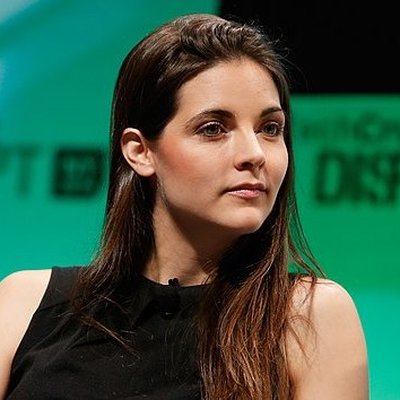
I had learned a ton at McKinsey, but it wasn’t a cultural fit for me, and it was pretty hard to admit that to myself at first.
Of Cavoulacos, she said, “she loved McKinsey. I mean, she literally thought it was like God’s gift to work place.”
The novelist Mohsin Hamid was still working at McKinsey in New York when his first novel, Moth Smoke, came out. He told the Globe and Mail in 2000:
It’s a bit paradoxical to be somebody from a country like Pakistan - which you can sort of see being ground up by the global system - and to be working at the core of that system. You can’t blindly accept that if everyone plays by the rules, all men will be equal and all countries will be better off.
Jim Koch spent six years at BCG before starting the Boston Beer Company. Speaking at Darden in 2019, he said of consulting, “It was a great experience, but I was not really learning and growing.”
Photo credits
All photos are from Wikimedia Commons. Sundar Pichai by Lukasz Kobus, European Commission (CC BY 4.0). Sheryl Sandberg by the World Economic Forum (CC BY-SA 2.0). Angela Duckworth by GRuban (CC BY-SA 4.0). Jim Collins by Mangoed (CC BY 3.0). Meg Whitman, U.S. Department of State (public domain). Mitt Romney, U.S. Senate (public domain). Jim Koch, office of Rep. Richard Neal (public domain). John Legend and Kewsong Lee by Philip Romano (CC BY-SA 4.0). Indra Nooyi by Jeff Bedford (CC BY-SA 2.0). Benjamin Netanyahu by Avi Ohayon (CC BY-SA 3.0). John Donahoe by Michelle Kung (CC BY-SA 3.0). Jason Wright by All-Pro Reels (CC BY-SA 2.0). Laszlo Bock by Arronhunt (CC BY-SA 4.0). Pete Buttigieg, U.S. Department of Transportation (public domain). Sarah Friar by MoneyConf (CC BY 2.0). Bill Ready and James Gorman by the World Economic Forum (CC BY 3.0). Jane Fraser by LowneyJen (CC BY-SA 4.0). Kathryn Minshew by TechCrunch (CC BY 2.0). Photos are cropped.
The course
Think Like a Strategy Consultant
Structured problem solving, MECE, the Pyramid Principle, and slides that make a point, in one self-paced video course. 1,500+ students in 65+ countries.
Or 2 payments of $398.
Watch a free lesson from Think Like A Strategy Consultant →Free
Start with the email course
Six short lessons on consulting fundamentals, one a day.